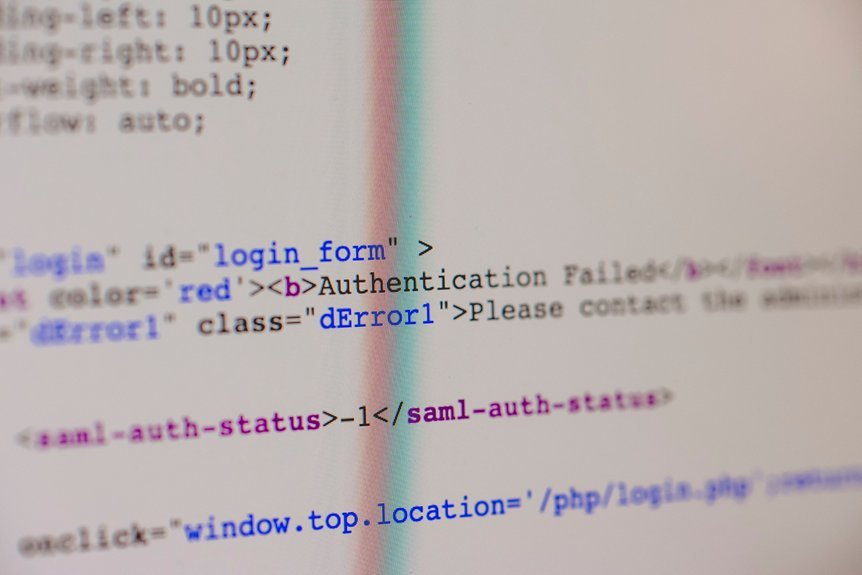
90.150.888 Invalid IP Address Error and Solution

The 90.150.888 error indicates an invalid IPv4 address encountered during network requests, signaling a malformed or out-of-range value. This typically stems from misconfigured IPs, improper subnet masks, or conflicting DHCP assignments. A disciplined approach—verify numeric ranges, correct delimiters, and confirm gateway settings—offers a solid starting point. Once these basics are solid, more nuanced checks about CIDR alignment and router configuration become necessary, leaving a clear path forward to restore stable connectivity.
What the 90.150.888 Error Means and Why It Happens
The 90.150.888 error indicates that an IP address used in a network request is invalid or incorrectly formatted, causing failure to establish a connection. This incident flags a invalid IP condition, prompting targeted troubleshooting. Misconceptions arise from overgeneralizing faults. Clear assessment reveals where blocking but relevant factors occur: misconfigurations, DNS guidance, and routing rules, guiding precise, freedom-preserving remediation.
Quick Fixes: Immediate Steps to Restore IP Address Validity
Immediate steps to restore IP address validity involve a structured, methodical approach: verify the address format, confirm network configuration, and apply targeted fixes without broad changes. The process emphasizes fixing IP arithmetic, correcting subnet misconfigurations, and a concise troubleshooting deep dive.
Benefits include preventing recurrence and implementing best practices for freedom-minded users seeking reliable, rapid resolution.
Troubleshooting Deep-Dive: Misconfigurations, Subnets, and Gateways
What specific misconfigurations most commonly derail IP setups, and how can they be identified and corrected with a systematic approach? Misconfigurations concentrate on subnet mismatches, gateway misentries, and DHCP conflicts. Systematic checks confirm CIDR consistency, router addresses, and reserved pools, then corrects discrepancies. Documentation, phased testing, and status checks ensure stability. Two word discussion ideas, unrelated topic, frame concise validation steps and objective outcomes.
Preventing Recurrence: Best Practices for Devices, Browsers, and Networks
Preventing recurrence requires a disciplined, evidence-based approach that translates lessons from failures into repeatable, verifiable practices.
The guidance prioritizes standardized device naming, consistent firewall rules, and correctly configured subnet masks to minimize ambiguity and risk.
A detached, methodical stance supports auditing, change-control, and documentation, enabling rapid detection, isolation, and correction while preserving user autonomy and network freedom.
Continuous refinement ensures resilient, scalable configurations.
Frequently Asked Questions
Can a Private IP Be Mistaken for 90.150.888 Due to DNS?
Yes, a private IP can be misinterpreted as 90.150.888 due to DNS resolution and IP address format quirks; careful DNS records and strict validation prevent confusion, ensuring each address maps correctly and avoids false matches in network routing.
Is 90.150.888 Ever Valid on IPV6 Networks?
Is 90.150.888 ever valid on ipv6 networks? No; it is an invalid address in both IPv4 and IPv6 contexts. The inquiry highlights invalid address risks, reducing ipv6 confusion and guiding methodical, solution-focused verification for users seeking freedom.
Do Firewall Rules Affect 90.150.888 Error Occurrence?
Firewall impact is minimal on 90.150.888 error occurrence; firewall rules do not generate it, yet misinterpretations may occur. DNS misinterpretation can reinforce alarms, while proper filtering reduces noise, enabling precise diagnostics and freedom to resolve network anomalies.
Can VPNS Mask an Invalid IP From Websites?
VPNs can obscure actual addresses, but websites may still detect inconsistencies; thus, invalid ip discussion and masking ip discussion appear, yet reliability depends on VPN quality and site defenses. The answer: masking is imperfect and situational.
How Do IP Conflicts Produce the 90.150.888 Symptom?
Coincidence marks the scene: an IP conflict triggers a DHCP assignment mismatch, causing devices to contest address ownership. The symptom arises when duplicate IPs surface, leading routers to confuse ARP tables and network reachability, producing instability and errors.
Conclusion
Conclusion:
The 90.150.888 error is a clear signal that a device has slipped outside valid IP boundaries, a misstep that disrupts connectivity. By verifying CIDR alignment, gateway correctness, and legacy DHCP assignments in a disciplined, stepwise manner, the root cause becomes identifiable and addressable. When fixes are applied methodically, outcomes stabilize like a lighthouse steady against storm—an enduring reminder that precision in configuration yields reliable network navigation.