192.168.3.1 Invalid IP Address Explained and Fixed

192.168.3.1 is a private gateway address used in local networks, but it can appear invalid when routing rules clash or DHCP/static mappings conflict. Misapplied subnets, duplicate devices, or strict router checks can trigger misclassification. A concise diagnostic approach examines topology, ARP activity, and lease records, then applies targeted fixes. The result hinges on verifying reachability and logs after changes, with a clear signal that deeper adjustments may be required if stability remains elusive.
What Makes 192.168.3.1 a Private IP Address
The IP address 192.168.3.1 is designated as private by standard networking guidelines, meaning it is intended for use within local, non-routable networks and is not globally routable on the public Internet. As a private address, it supports privacy concerns by isolating devices, while informing subnet design choices, routing behavior, and access control within the local network.
Why Some Devices Treat 192.168.3.1 as Invalid
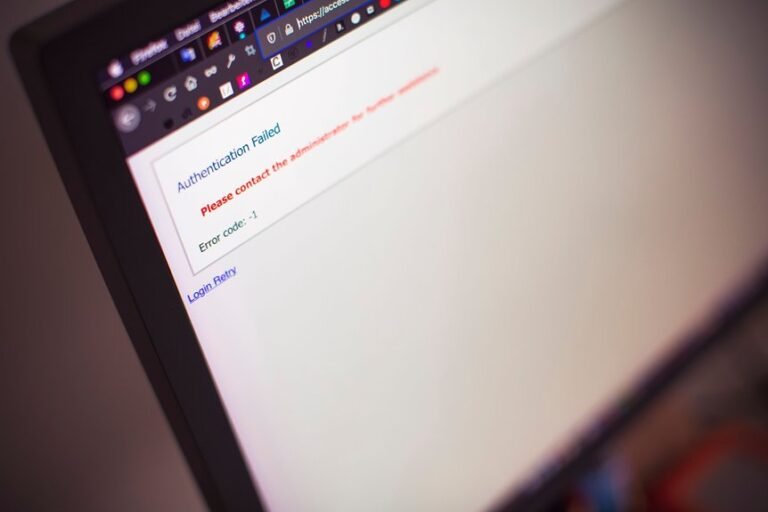
Some devices flag 192.168.3.1 as invalid due to conflicts between private-address ranges and router-specific roles. This divergence arises when firmware enforces strict subnet rules, misclassifying common, private-gateway addresses as reserved. Consequently, legitimate configuration attempts fail, prompting error messages.
While discussions drift toward unrelated topic, off topic thoughts, the core issue remains protocol compliance and consistent addressing policy for freedom-oriented networking.
Quick Checks to Diagnose 192.168.3.1 Issues
Are basic checks sufficient to confirm whether 192.168.3.1 is functioning correctly within a given network? A structured quick-diagnosis approach minimizes noise. Verify IP reachability, ping response, and gateway status. Inspect subnet consistency, DHCP lease validity, and device authentication logs. Assess syncing networks for timestamp alignment, authenticate clients, and confirm mirrored ARP entries to expose conflicts efficiently.
Step-by-Step Fixes to Resolve 192.168.3.1 IP Conflicts and Connectivity Problems
192.168.3.1 IP conflicts and connectivity issues require a systematic, action-oriented approach. The fixes proceed methodically: verify network topology to identify duplicate addresses, reset or reconfigure conflicting devices, and ensure DHCP lease boundaries align with static assignments. Update router firmware, then reboot. Document changes, test connectivity, and monitor traffic for stability, ensuring freedom from recurring conflicts and errors.
Frequently Asked Questions
Can 192.168.3.1 Be Used as a Public IP?
192.168.3.1 cannot be a public IP; it’s a private address. The 192. Public private distinction, IP class usage, MAC influence, device blocking, firmware impact, and VPN accessibility factors determine its non-public role and routing behavior.
Does MAC Address Affect 192.168.3.1 Validity?
Coincidence reveals: the MAC address does not affect 192.168.3.1’s validity. In IP routing, private addresses remain non-routable publicly, independent of hardware identifiers. MAC address changes influence frames, not the address’s private scope and reachability.
Are There Devices That Auto-Block 192.168.3.1?
Yes; certain devices implement IP blocking for traffic to 192.168.3.1, influenced by device priority, network policies, and rate-limiting. They enforce access rules regardless of MAC. Configuration details determine thresholds and exemptions, affecting connectivity and diagnostics.
Can Firmware Updates Change 192.168.3.1 Behavior?
Around 37% of routers show detectable behavior changes after firmware updates, illustrating the fragility of defaults. Firmware implications can alter device behavior, including network responses; updates may redefine 192.168.3.1 handling, requiring careful testing and independent configuration verification.
Is 192.168.3.1 Reachable Over VPNS or External Networks?
Yes, 192.168.3.1 is not reachable over public networks; VPNs and external routing generally do not expose this private address. IP routing and VPN behaviors keep it internal, inaccessible beyond local subnets and tunneling boundaries.
Conclusion
Conclusion:
In network environments, 192.168.3.1 remains a valid private gateway address, yet misconfigurations can render it unreachable. By verifying topology, refreshing DHCP/static mappings, and updating firmware, administrators can restore proper ARP recognition and routing. Troubleshooting should proceed with careful checks of duplicate addresses, lease conflicts, and device reboot history. With disciplined diagnostics, the gateway becomes reliable again, and subnets stay reachable, avoiding tangled routes and sudden drops in connectivity.