168.1.200 Router Login Guide With Configuration Tips

Accessing the 168.1.200 router interface requires a direct connection and the correct IP address, typically 192.168.1.1 or 168.1.200 variants, with valid credentials. This guide outlines essential steps for secure login, firmware updates, and governance of configuration changes. It then covers wireless optimization, traffic monitoring, and safe access controls. A disciplined approach to passwords, guest networks, and parental controls is necessary. The next section explains practical settings and safeguards that influence overall network reliability and security.
How to Access the 168.1.200 Router Interface
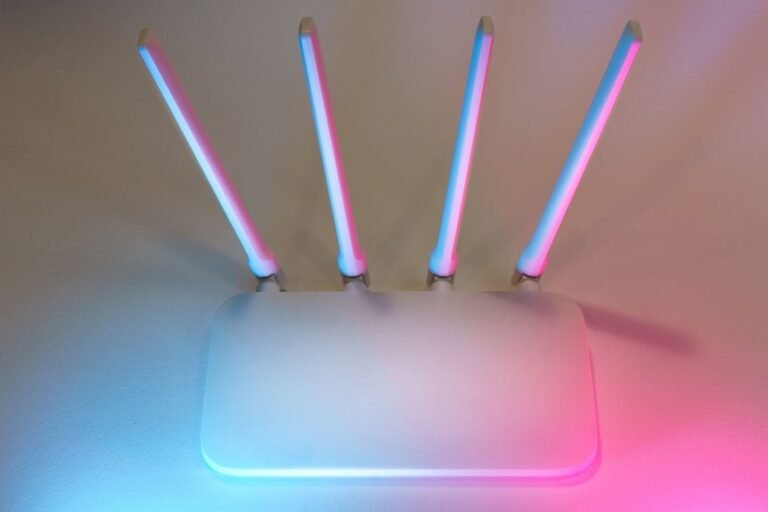
To access the 168.1.200 router interface, ensure a device is connected to the router via Ethernet or a wireless connection and obtain the router’s IP address. The interface presents authentication options, enabling access controls and firmware security settings. A direct login point should be trusted, monitored, and minimally exposed; apply standard security practices without compromising network freedom.
Quick Firmware and Security Essentials for 168.1.200
Firmware and security measures for the 168.1.200 router emphasize up-to-date firmware, strong access controls, and routine safeguard checks.
The discussion outlines security patches, device hardening, and concise governance of configuration changes.
Network monitoring remains essential for anomaly detection, while firmware updates should be scheduled promptly to minimize exposure and maintain baseline integrity across all connected devices.
Optimize Wireless and Network Settings for Peak Performance
Optimizing wireless and network settings on the 168.1.200 router involves a systematic tuning of channel selection, bandwidth allocation, and security-conscious defaults to maximize throughput and reliability.
The process reinforces network basics, selects optimal channels, and applies Security best practices.
It also integrates parental controls, ensuring flexible, freedom-friendly access policies without sacrificing performance or control for connected devices and users.
Set Up Safe Access: Passwords, Guest Networks, and Parental Controls
Safeguarding network access begins with robust password practices, followed by the strategic deployment of guest networks and parental controls to balance security with usability.
Implement strong password protocols, enforce unique credentials per device, and rotate keys periodically.
Establish guest isolation to prevent cross-network access, restricting guest traffic.
Configure parental controls to constrain inappropriate usage while preserving essential connectivity and autonomy.
Frequently Asked Questions
How Often Should I Backup Router Configuration Files?
A prudent cadence recommends quarterly backups plus after any firmware update or configuration change; this supports backup planning, ensures recoverability, and protects against unintended losses, while firmware updates themselves may alter settings requiring fresh backups.
Can I Reset to Factory Defaults Without Losing Firmware?
Yes, a factory reset can be performed without erasing the firmware, preserving firmware safety; however, some devices require firmware reapplication after reset. The device may revert to default settings, so backup and verify after reboot before reconnecting network resources.
What to Do if I Forget the Admin Password?
Answer: A forgotten password requires a manual reset. Perform a factory reset to regain access, then reconfigure admin credentials and apply firmware updates. Parental controls may need re-enabling; note that factory resets may override prior settings.
How to Check for Incompatible Devices on 2.4 GHZ?
Incompatible devices can cause 2.4 GHz interference; the method identifies such devices by monitoring signal quality, channel usage, and RSSI deviations. The result guides network adjustments to mitigate interference and maintain optimal wireless performance for freedom-loving users.
Is UPNP Safe to Enable on This Router?
UPnP safety depends on implementation; it can be risky. In this router, enable only if necessary, enable with strict controls, and ensure firmware updates are current to mitigate exposure to unauthorized port mappings and potential exploits.
Conclusion
A system once exposed by lax credentials now shields its core with careful access controls. The same router that channels convenience also channels risk; thus, security and usability must coexist. Juxtaposing open convenience against guarded access highlights the tension between seamless connectivity and disciplined governance. In practice, timely firmware updates and strong passwords protect while feature-rich settings—guest networks, parental controls, and traffic monitoring—preserve performance. The result: robust reliability without sacrificing user experience.