168.0.155 Login Guide for Router Configuration

The guide on 168.0.155 router login outlines a precise path to the administrative interface, stressing local network access and direct browser entry. It methodically covers credential hardening, firmware updates, and post-login verification. The approach emphasizes containment, least privilege, and ongoing monitoring to reduce exposure. A careful practitioner will note the need for secure practices before proceeding, yet practical hurdles and common misconfigurations persist, inviting further scrutiny of each step before implementation.
What Is 168.0.155 Router Login and Why It Matters
A router login at 168.0.155 refers to accessing the device’s administrative interface, typically via a web browser, to configure network settings. The process establishes a control point for the local network, enabling ongoing governance of access.
Key concerns include login security and firmware updates, which sustain protection, compatibility, and performance while preserving user autonomy and persistent network reliability.
How to Access the 168.0.155 Login Page Safely
To access the 168.0.155 login page safely, users should start from a trusted device connected to the router’s network and enter the device’s IP address directly into a browser, ensuring the connection is local and not exposed to external networks.
A security assessment validates access pathways, while firmware updates may influence authentication behavior and session integrity.
Step-By-Step: Changing Default Credentials and Updating Firmware
Before proceeding, administrators should prove the appropriate access level by logging into the router’s web interface, then locate the settings for both credential management and firmware updates. The process requires replacing default credentials with strong, unique values, and applying the latest firmware to ensure security posture. Execute changes, reboot as needed, and verify successful login. two word discussion ideas: “default credentials, firmware updates.”
Securing Your Network After Login: Best Practices and Common Fixes
After securing login access, the next step is to harden the router’s operational posture through network-wide best practices and targeted fixes. The guidance emphasizes secure defaults, timely firmware updates, and device hardening, enabling robust resilience.
Implement network segmentation to limit lateral movement, enforce least privilege, monitor for anomalies, and apply automated remediation to maintain a resilient, freedom-oriented, low-care security posture.
Frequently Asked Questions
Can I Login From a Mobile Device to 168.0.155?
Yes, mobile access is possible if the device connects to the same network or uses proper remote configuration. The technician emphasizes router security, advising on secure credentials, encrypted connections, and restricted permissions for mobile access without compromising network freedom.
What if 168.0.155 Login Page Shows an Error?
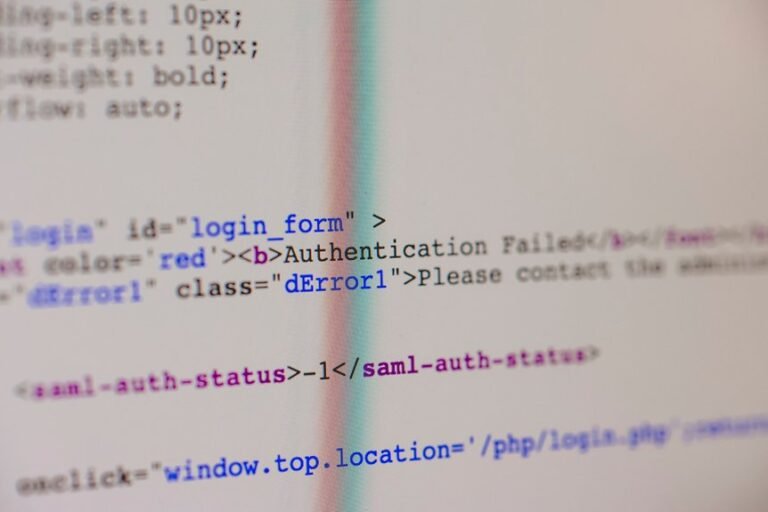
If the 168.0.155 login page shows an error, one should initiate Troubleshooting connectivity, verify firmware updates, and perform a configuration backup before retrying. Potential causes include cache issues, IP conflicts, or corrupted firmware impacting access.
Is 168.0.155 Login Compatible With All Routers?
The page is not universally compatible; unrelated topic considerations prevent universal compatibility across all routers. It addresses compatibility questions in specific models only, and users should check device firmware and vendor guidelines for precise, model-dependent results.
How Many Devices Can Connect After Login?
The number of devices allowed after login depends on router model and firmware, not universally fixed. Network security and password management practices influence capacity planning, but actual limits vary. A careful assessment of device licensing and QoS features is recommended.
Do I Need to Reboot After Credential Changes?
Yes, credentials changes typically require a reboot or reauthentication to apply. First topic idea ensures new credentials take effect; second topic idea confirms session refresh. The procedure remains technically precise, concise, and oriented toward users seeking freedom and control.
Conclusion
The 168.0.155 router login guide is deceptively simple, yet it wields the power of a digital fortress. Following its steps—trusted device, direct IP access, strong credentials, up-to-date firmware—transforms a mundane login into an impregnable doorway. Any lapse balloons risk to astronomical proportions: breaches, data leaks, downtime, and chaos. In a microcosm of a home network, disciplined authentication and vigilant maintenance become an undefeated shield, rendering threats practically allergic to the wall it creates. Security, thus, becomes almost thrillingly routine.