168.2.33 Network Setup and Router Access Guide

The guide outlines a concise framework for locating the router login page, identifying device-brand IPs, and verifying connectivity. It covers best-practice credentials, unique admin passwords, and optional two-factor authentication. Essential Wi‑Fi setup is addressed with a clear SSID, strong WPA3 security, and disabled defaults. It emphasizes cloud management, policy enforcement, and routine troubleshooting—from DNS flushes to firmware updates—while hinting at ongoing challenges that require careful, methodical attention. This leaves the reader prepared for the next critical step.
Locate the Router Login Page Quickly
Locating the router login page is typically the initial step in gaining access to the device’s settings. The process emphasizes clarity: identify device–brand IP, verify network connectivity, and navigate to the login portal confidently.
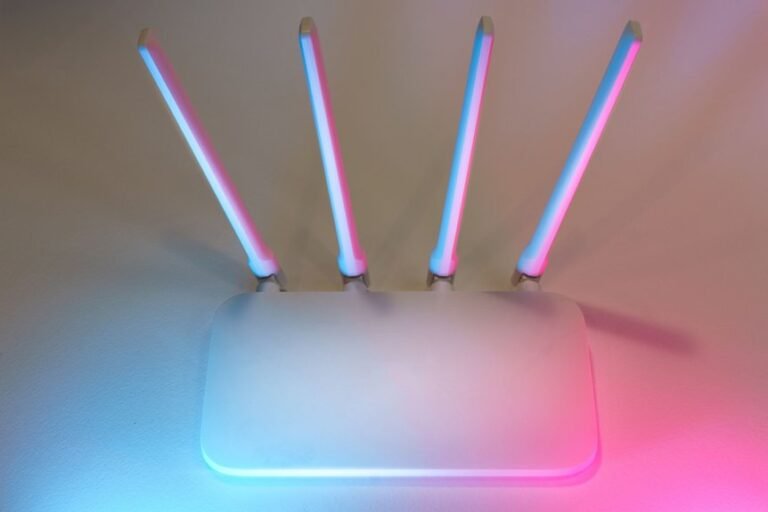
Documentation covers router placement for optimal signal, firmware updates, repairing connections, and guest networks, ensuring secure, efficient configuration without unnecessary steps or ambiguity.
Best Practice Credentials and Access Steps
To ensure secure access, the procedure begins with standardized login credentials and gateway-specific defaults, while emphasizing immediate credential changes upon initial access. Best practice steps emphasize minimal exposure: document reasonable defaults, mandate unique admin passwords, enable two-factor if available, and rotate credentials periodically.
Guest access should be restricted, isolated, and monitored, with temporary tokens and limited permissions for non-admin devices.
Essential Wi-Fi Setup: Name, Password, and Security
Essential Wi-Fi Setup centers on selecting a clear network name, a strong password, and appropriate security settings. The process emphasizes robust encryption, WPA3 where available, and disabling default credentials. ethernet vswifi choices influence interoperability and performance. Cloudmanagement tools enable remote monitoring, policy enforcement, and firmware updates, ensuring stable access while preserving user freedom and minimizing attack surfaces. Continuous review improves resilience and control.
Troubleshooting and Quick Fixes to Stay Connected
Connectivity interruptions are common in home networks and can often be resolved with a structured quick-fix approach. The guide emphasizes actionable steps: flush DNS caching to refresh domain resolution, inspect link status, reboot modem and router, and verify firmware updates. If issues persist, compare device routes, and perform targeted resets. Firmware updates ensure compatibility; DNS caching may prevent stale records from blocking access.
Frequently Asked Questions
How to Update Router Firmware Safely Without Downtime?
The procedure minimizes risk by scheduling a window, verifying backups, and using a staged update. It ensures safe downtime, monitors integrity, and tests after reboot, while reducing heat from longer sessions and performing proactive fan maintenance.
Can I Reset to Factory Defaults Without Losing ISP Settings?
A factory reset may erase ISP settings; thus, it is not recommended to preserve them. To minimize downtime, perform a controlled reset, reconfigure then reapply ISP settings, and use a backup of the configuration to avoid repeated changes.
What Parental Controls Are Available Beyond Basic Filtering?
Like a compass guiding through static seas, the answer highlights advanced parental controls options beyond basic filtering: content filtering granularity, time schedules, device support, router firmware compatibility, network security features, and parental features across platforms.
How to Enable Guest Network on Multiple Routers Simultaneously?
To enable guest networks on multiple routers simultaneously, synchronized provisioning is required. Devices push standardized configuration, ensuring aligned SSIDs and security. The approach minimizes manual steps, enabling scalable, centralized control while preserving independent device performance and user freedom.
Which Devices Support IPV6 on This Network?
Devices that currently support IPv6 on this network include modern routers, switches, and client endpoints with native IPv6 or dual-stack capabilities; device compatibility varies by model, and IPv6 rollout depends on firmware and configuration.
Conclusion
In summary, the guide equips users to locate the router login page efficiently, apply best-practice credentials, and secure Wi‑Fi with a clear SSID and WPA3 settings. It emphasizes cloud-managed oversight, routine policy enforcement, and prompt troubleshooting steps—DNS flushes, status checks, and timely firmware updates. By following these steps, network reliability is strengthened and vulnerabilities reduced. For operations to flourish, attention to secure access must be kept tight, ensuring smooth sailing from start to finish. It’s a race against time.