168.223.1 Login Guide for Router Administration

Accessing the router admin interface at a local address like 168.223.1 requires careful preparation. The guide outlines first steps, credential verification, and security hardening before and after login. It emphasizes avoiding default credentials, applying firmware updates, and network segmentation to reduce exposure. With these practices in place, ongoing administration hinges on consistent procedures and vigilant monitoring. The implications for secure, auditable maintenance become clear as challenges emerge—and the next steps remain to be explored.
How to Access 168.223.1: the Login Address and First Steps
To access the router’s administration interface, the user should navigate to http://168.223.1 in a web browser, ensuring the device is on the same local network.
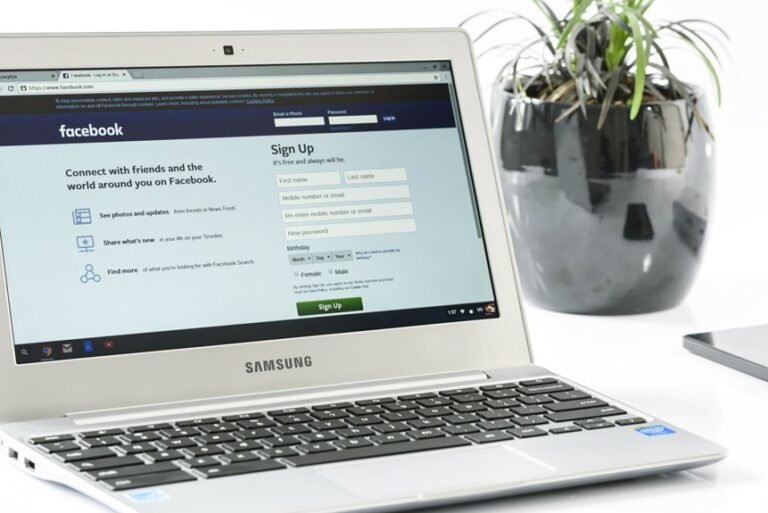
The login process presents the router interface for credential entry.
Maintain network security by avoiding default credentials; configure unique access.
This step emphasizes authentication posture and prepares subsequent, freedom-oriented configuration without unnecessary detail.
What Default Credentials Might Look Like and How to Verify Them
Default credentials are often standardized by manufacturers or left as factory defaults, making them a critical first check during initial access.
The text outlines typical default credentials formats, including username/password pairs and device-specific labels.
It clarifies how to verify authenticity by cross-referencing official documentation, testing login prompts, and confirming no prior reconfiguration.
Researchers should document findings and proceed cautiously.
Safe Login Practices: Securing Your Router Before and After Login
Safe login practices begin with securing access before any configuration steps. The analysis emphasizes a secure login posture: enforce multifactor-ready authentication where possible, and establish a secure password with complexity requirements. Regular firmware updates mitigate exploitation risks. Network segmentation isolates admin interfaces from end-user zones, reducing exposure. Documented procedures ensure repeatable, auditable security without sacrificing operational freedom.
Common Admin Tasks and Quick Tips to Protect Your Network Afterward
Common admin tasks after initial login focus on maintaining security while ensuring reliable network operation. The approach emphasizes disciplined security practices, including regular firmware updates, to mitigate vulnerabilities.
Enforce password hygiene through unique credentials and periodic rotation.
Implement network segmentation to limit lateral movement, monitor traffic for anomalies, and log events.
Proactive maintenance sustains performance while preserving user freedom and data integrity.
Frequently Asked Questions
What if 168.223.1 Isn’T Loading on My Browser?
If 168.223.1 isn’t loading, the user experiences 168.223.1 loading issues and should proceed with browser troubleshooting steps, such as clearing cache, disabling extensions, verifying network connectivity, and ensuring router IP accessibility before retrying the connection.
Can I Recover a Forgotten Router Admin Password?
A coincidence reveals possibilities: forgotten password can be recovered via the router’s reset procedure; after reset, remote access security requires reconfiguration. The policy emphasizes password management, though recovery prioritizes security, not bypassing safeguards.
Are There Risks Using Default Credentials on Public Networks?
Yes, there are risks; default credentials on public networks expose devices to unauthorized access and data interception. Default credentials enable easy exploitation, compromise network integrity, and escalate privileges, so independent security measures and timely credential changes are essential when connectivity freedom is pursued.
How Often Should I Change the Router Login Password?
Like a vigilant sentinel, they should change the router login password every 60–90 days. This change frequency, part of robust password management, is technically prudent and proactively protects networks, appealing to users who value independence and secure configuration.
Is There a Way to Disable Remote Administration Securely?
Yes, it can be done: Disable remote administration, then enable encrypted access through VPN or SSH tunneling for secure management. This approach preserves autonomy while reducing exposure, ensuring administrator independence with robust, encrypted remote access when needed.
Conclusion
In a world where the router is the crown jewel of the digital realm, this guide triumphantly asserts that fame requires login. The 168.223.1 address stands guard like a velvet rope, demanding strong passwords and frequent firmware hoists. After login, administrators perform security theater with firewalls and logs, all while noting procedures on legal pads of auditable glory. Satirical aside: yes, the router enjoys a security makeover—because nothing says “professional” like rebooting with a password you can pronounce.