168.151 What It Means and How to Access Router Settings

168.151 denotes a private, local network range used to segment internal devices, not for public routing. It signals contained addressing within a router subnet and informs design decisions for internal traffic. To access the admin page, identify the default gateway, then enter that IP in a browser. Log in with admin credentials, review security and firmware settings, and apply updates. The next steps involve specific tweaks that balance access control with performance, but potential access issues require careful troubleshooting.
What 168.151 Actually Means for Your Network
The phrase “168.151” typically refers to a private or local IP address space commonly used in internal networks. In practice, the designation signals network segmentation rather than internet reachability, guiding design decisions.
Conceptual misalignment risks arise when administrators conflate local scope with external routing. Irrelevant topics should be omitted to preserve precise network configuration and predictable device discovery.
How to Access Your Router’s Admin Page
Accessing the router’s admin page begins with identifying the device’s default gateway address, then opening a web browser and entering that address in the URL bar.
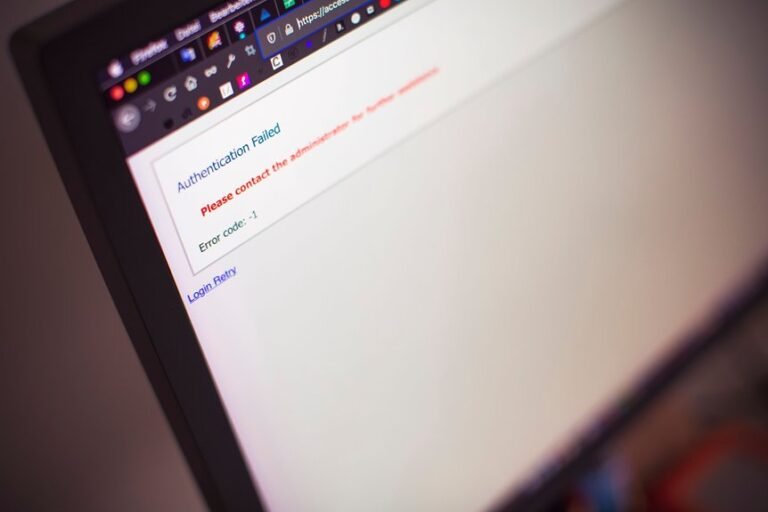
The session presents router interfaces for authentication, with credentials prompting access.
Follow networking basics for consistent results, verify admin page security, and address troubleshooting access issues by confirming connectivity, updated firmware, and proper device configuration.
Quick Settings to Tweak for Security and Performance
To optimize security and performance, users should implement a concise set of router hardening and tuning steps: disable unused services, enable WPA3 (or WPA2 if necessary) encryption with a strong passphrase, update firmware to the latest recommended build, and set a robust admin password separate from the Wi‑Fi credentials.
Security basics, firmware updates, network segmentation, password hygiene.
Troubleshooting Access Issues and Common Pitfalls
When moving from secure configuration steps to practical access, the focus shifts to diagnosing why router settings might be unreachable and identifying common missteps that hinder login.
Troubleshooting emphasizes verifying access permissions, ensuring firmware updates are current, confirming correct router passwords, using default IPs for initial access, and recognizing issues with guest networks, MAC filtering, and inconsistent device access.
Frequently Asked Questions
What Is the 168.151 IP Range Used For?
The 168.151 IP range is not publicly defined for standard use; it may be reserved for private experimentation within controlled networks. It relates to network security and device configuration practices, guiding safe, isolated testing without impacting broader access.
Can I Access 168.151 From Mobile Devices?
Accessing 168.151 from mobile devices is limited by network policy and device firewall settings. In general, mobile connectivity can reach it if the network permits, ensuring accessible security while maintaining precise, procedural steps for authorized access.
Is 168.151 a Default Gateway for All Routers?
No. 168.151 is not a universal default gateway for all routers; gateway addresses vary by device and network. Two word discussion ideas: “gateway variability.” Networking basics: routes, subnets, DHCP. This phrasing maintains a precise, procedural tone for readers seeking freedom.
Do All ISPS Use 168.151 in Their Networks?
Not universally; ISPs vary. In practice, 168.151 is not a standard gateway for all networks. Organizations should evaluate network security and IPv6 deployment plans, ensuring proper gateway configuration and compatibility across devices, while maintaining autonomy and adaptable network policies.
How to Diagnose if 168.151 Is Blocked by ISP?
The article notes: diagnosing network issues reveals whether 168.151 is blocked by isp. To test, use traceroute, DNS queries, and alternate paths; compare routes, check for ICMP blocks, and document results to determine ISP-imposed restrictions.
Conclusion
In summary, 168.151 denotes a private, internal fabric—an unspoken corridor guiding local devices without implying external reach. As administrators, users follow a clear sequence: identify the default gateway, access the router’s admin page, authenticate, and review security and firmware status. Like a lighthouse on a quiet shore, these steps anchor reliability and protection. When issues arise, the method remains steady: verify connectivity, correct credentials, and update software, preserving the network’s contained integrity.