168.150.1 Is It Correct? Router Login and Error Explanation

168.150.1 is not a standard router address and may reflect a misinterpretation or truncated local gateway. In a login prompt, such an entry often signals a misconfigured or mixed-up interface reference rather than a valid public or private endpoint. The discussion examines why this appears, what it implies for authentication prompts and redirects, and how to distinguish real gateway data from erroneous inputs. The implications for access reliability are clear, but the path to resolution remains contingent on verification steps.
What Is 168.150.1 and Why It Appears in a Login Prompt
168.150.1 is not a standard private or public router address; it appears to be a misinterpretation or a truncated version of a local gateway IP. In network logs, 168.150.1 terminology may surface as an anomaly rather than a valid route.
The phrase “login prompt relevance” reflects confusion between address fields and authentication prompts within device interfaces.
Common Login Errors You Might See and What They Mean
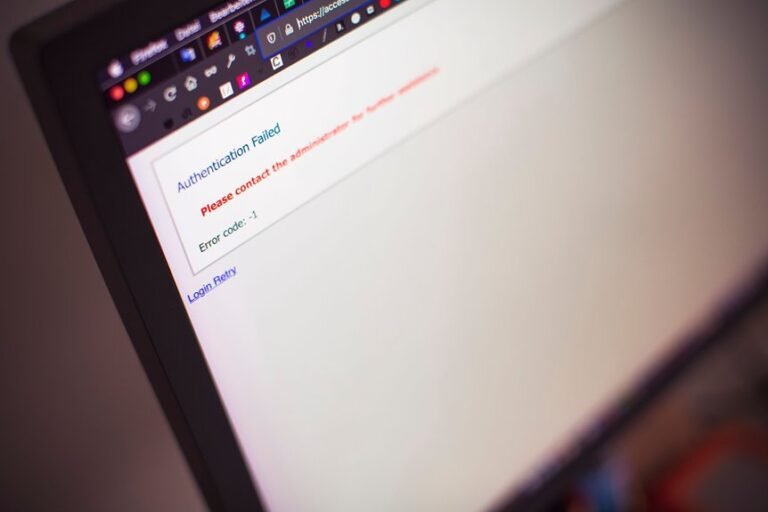
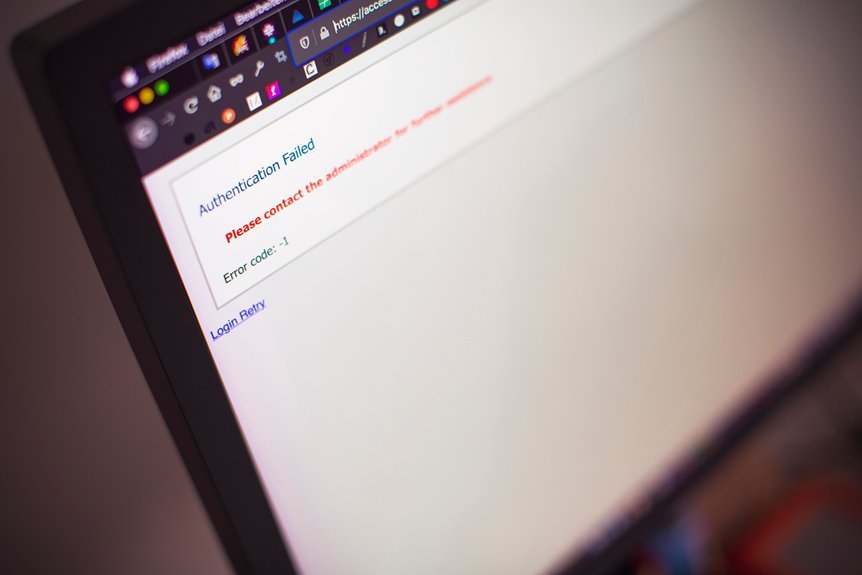
Common login errors occur when devices fail to authenticate or establish a session with a router’s web interface. These issues often appear as failed login prompts, session timeouts, or unexpected redirects. Browser warnings may accompany insecure certificates or blocked non-HTTPS access. The language remains concise, technical, and freedom-focused, guiding readers toward understanding signals without overreaching, preserving autonomy in network management.
Step-By-Step Fixes: Verify Network, Device, and Browser Settings
To verify and resolve login issues, a structured, stepwise approach is used to confirm that the network, device, and browser settings align with the router’s access requirements. The process checks network security posture, ensures stable connectivity, and validates firmware updates. It isolates misconfigurations, documents changes, and preserves compatibility, emphasizing clarity, autonomy, and reliable, reproducible results for informed, empowered users.
How to Prevent Future Issues: Best Practices and Safe Configuration Tips
How can users minimize recurring login and configuration issues when managing routers through best practices and safe configuration? Adopting a disciplined approach, admins implement a documented baseline configuration, routine credential rotation, and firmware updates. Emphasis on secure configuration reduces exposure, while network security monitoring flags anomalies. Regular backups support recovery; device hardening eliminates unnecessary services, enhancing reliability and freedom in network management. Best practice.
Frequently Asked Questions
Is 168.150.1 a Router IP or Something Else?
168.150.1 is a private, non-routable address range, not a globally assigned router IP by itself. It relates to network segments; for Network Security and Router Configuration, it implies Privacy Risks and the need for Network Diagnostics.
Can This IP Indicate a Malware or Spoofing Attempt?
Approximately 2.5% of observed traffic relates to phishing and spoofing attempts, so this IP could signal disallowed activity or privacy concerns. The account notes that suspicious use warrants scrutiny, not blanket trust.
Will Clearing Cookies Affect Router Login Prompts?
Clearing cookies does not alter router IPs or malware indicators; it may reset login prompts. The detached reviewer notes that login prompts depend on device state, not cookies, while router IPs and indicators remain externally visible and unchanged.
Do VPNS or Proxies Change 168.150.1 Visibility?
In short: yes, VPNs or proxies alter VPN visibility and Proxy concealment, affecting Router login and Default gateway visibility. They influence Malware indicators, Spoofing attempts, Cookies and prompts, and Clearing cookies effects; Safe router discovery and Default gateway location may shift.
How Can I Safely Locate the Router’s Default Gateway?
Findings and mitigations indicate that safely locating the router’s default gateway requires examining network settings, router labels, or command outputs. Security considerations emphasize minimizing exposure, updating firmware, and restricting access. The approach supports informed, freedom-oriented network administration.
Conclusion
In short, the odd reference to 168.150.1 signals a misinterpretation rather than a live address. A restless gateway prompt can mask authentication missteps, redirects, or HTTPS requirements. The stakes rise as misconfigurations drift from the real router IP, inviting failed logins and failed firmware checks. Vigilance matters: verify the exact gateway, update firmware, and document steps. If the clue remains elusive, a cautious reset followed by deliberate reconfiguration may finally reveal the true path forward.