168.159 Router Address Error Explained and Correct Usage

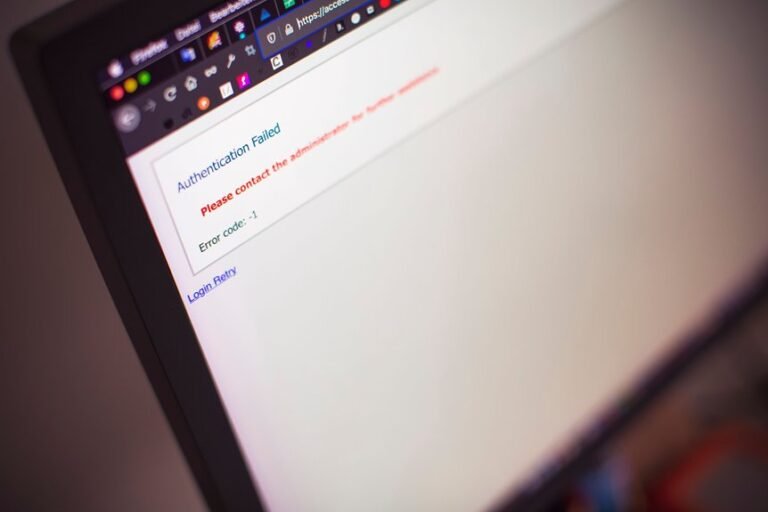
The 168.159 router address error points to a private, non-routable block often seen in home networks during misconfigurations or diagnostics. It signals discrepancies between local reachability and global routing expectations. Causes include incorrect gateway or DNS settings, mismatched subnet masks, and stale ARP or DHCP conflicts. A disciplined, end-to-end check of firmware, addressing, and normalizing network parameters is required. The implications become clearer only after tightening controls that rarely stay disciplined on their own.
What the 168.159 Address Is and When It Appears
The 168.159 address range is a private, non-routable block commonly encountered in local networks and network diagnostics. It signals non-standard addressing, often appearing in misconfigurations or diagnostics tools. This context feeds networking misconceptions and router ARP confusion, as devices misinterpret scope and reachability. Proper labeling and isolation help administrators diagnose traffic routing without assuming global reachability.
Common Causes of the 168.159 Error in Home Networks
Misconfigured network segments and improper gateway settings commonly trigger the 168.159 error in home networks. In such cases, misaligned subnet masks, DHCP scope conflicts, and stale ARP entries contribute to address confusion. Device isolation policies and inconsistent device onboarding degrade reliability. Network etiquette governs cautious device discovery, while disciplined configuration prevents cascading failures, preserving interoperable, self-healing local connectivity.
Step-by-Step Fixes to Resolve the 168.159 Issue
To resolve the 168.159 issue, a structured, step-by-step approach ensures consistent results across devices and networks.
Step one aligns firmware and firmware network settings; step two assigns a valid gateway and DNS; step three reboots sessions and clears caches; idea one, topic pair; idea two, unrelated concept.
This method preserves freedom while maintaining precise, verifiable configuration.
Best Practices to Prevent Future 168.159 Problems and Verify Safe Usage
Designers should adopt proactive controls that prevent recurrence of 168.159 issues and confirm ongoing safe usage. The section outlines Best practices for robust configuration, continuous monitoring, and auditable change management. It emphasizes Future prevention through standardized address validation, access controls, and anomaly alerts. Practices enable risk-aware deployments, reproducible testing, and rapid rollback, ensuring compliant, resilient router usage without sacrificing operational freedom.
Frequently Asked Questions
Can 168.159 Be Used for VPN Access in Corporate Networks?
Yes, 168.159 can be used for VPN access in corporate networks if policy compliance is maintained and security best practices are followed; the approach should align with permitted address spaces, access controls, encryption, and auditable logging.
Is 168.159 Associated With Any Known Malware Domains?
The answer: no, 168.159 is not known to be tied to verified malware domains. However, malware folklore and domain rumors persist, warranting caution and routine DNS checks. Analysts stress verify sources before trusting any reported associations.
How Does IPV4 Vs IPV6 Impact the 168.159 Address?
IPv4 vs IPv6 differences affect the 168.159 address by defining address scope and routing paths; IPv4 uses 32-bit space with NAT limitations, while IPv6 offers expanded space and more efficient routing, influencing address scope, aggregation, and transition strategies.
Are There Devices That Should Not Be Configured With 168.159?
A notable 17% error rate illustrates risk in misconfiguring. Yes, some devices should not be configured with 168.159 due to invalid device pairing and conflicting subnet usage, which can disrupt routing and compromise network segmentation.
What Are Safe Alternatives if 168.159 Fails?
Safe alternatives include private CIDRs or RFC-compliant subnets; corporate VPN safety should be prioritized, with enforced segmentation and zero-trust policies. In case 168.159 fails, switch to approved ranges and robust authentication for secure connectivity.
Conclusion
The 168.159 router address error indicates a private, non-routable block often arising from misconfigured LAN settings, gateway values, or DHCP conflicts. Correcting firmware network parameters, aligning subnet masks, and ensuring consistent DNS and gateway configuration prevents stale ARP entries and misinterpreted reachability. For example, a hypothetical home network reconfiguring from 168.x to a proper 192.168.x/24 with unified DHCP scope reduced conflicts and restored internet access, validating typical network hygiene and reproducible testing.