90.l25.204 Correct IP Format, Login Help and Troubleshooting

A valid IP format consists of four decimal octets (0–255) separated by periods, with no non-numeric characters. The string 90.l25.204 introduces a parsing error and access control failure. This piece outlines common login hurdles tied to misformatted addresses, verification steps for DNS and route reachability, and a disciplined, stepwise troubleshooting approach. It emphasizes clock synchronization, subnet consistency, and documented results to ensure auditable, resilient access, while signaling there is more to investigate beyond the initial symptom.
What Is a Valid IP Format and Spotting the Typo 90.l25.204
IPv4 addresses consist of four decimal octets separated by periods, with each octet ranging from 0 to 255.
The topic delineates valid ip formats and emphasizes typo spotting. Attention is given to common misentries such as 90.l25.204, illustrating how non-numeric characters disrupt parsing.
Clear criteria enable verification, ensuring correct structure, delimiter placement, and value constraints for reliable network identification.
Common Login Hurdles When IPs Misbehave and How to Verify Access
Common login hurdles when IPs misbehave arise from mismatches between address format, network routing, and access control rules. The analysis targets verification methods, isolating variables in a controlled environment. Probing IP format myths reduces login friction, while DNS caching effects are mapped to timing constraints. Port forwarding is validated, ensuring reachability aligns with policy. Access is confirmed through deterministic, auditable checks.
Step-by-Step Troubleshooting to Fix 90.l25.204 Login Issues
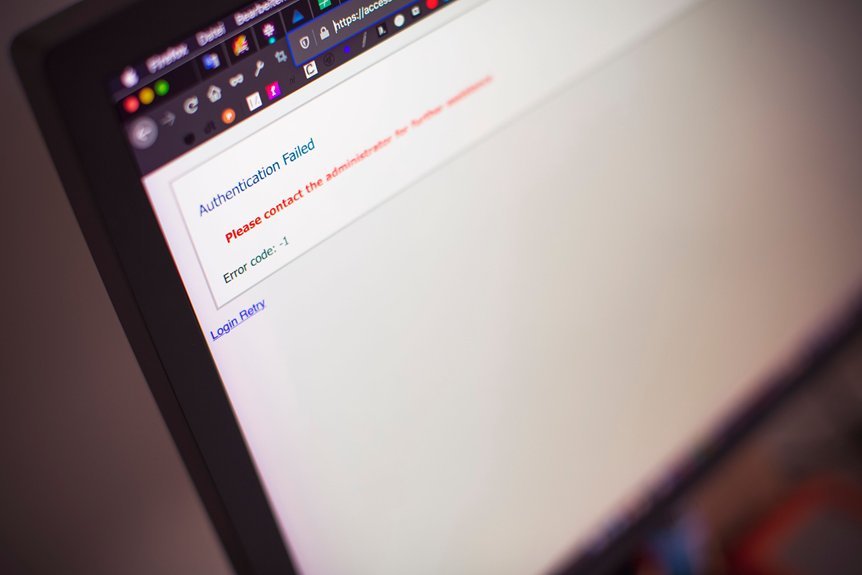
Step-by-step troubleshooting for 90.l25.204 login issues follows a structured, methodical approach to identify and resolve authentication failures. The procedure enumerates verification steps, sequence, and checkpoints without ambiguity. Correct common deviations such as wrong IP examples, confirm login verification outcomes, log results, and isolate network or credential anomalies. Documentation maintains objective precision while guiding toward reliable access restoration.
Preventive Checks and Correct Configuration Practices for Stable Access
Preventive checks and correct configuration practices are essential to maintain stable access and minimize recurring login issues.
The section describes disciplined, repeatable procedures: verify clock synchronization, confirm subnet consistency, and enforce consistent DNS resolution.
Implement hardening measures without hindering autonomy.
Emphasize reliable authentication, regular credential audits, and explicit access policies.
Integrate continuous network monitoring to detect anomalies and sustain resilient, user-empowered connectivity.
Frequently Asked Questions
What Other Domains Use 90.l25.204 Format Effectively?
Many domains use 90.l25.204 format effectively, though it remains error prone. Domain specific implementations vary; a detached analyst notes such formats can improve routability yet introduce parsing fragility, demanding rigorous validation and governance for freedom-minded operators.
Can Mobile Networks Affect IP Format Recognition?
Mobile routing can influence IP perception by altering path selection and latency, potentially affecting how devices recognize formats; networks may misinterpret or delay IP-type signals, though standardization mitigates most discrepancies, preserving recognizable addressing across diverse environments.
Do VPNS Alter How 90.l25.204 Is Parsed?
VPNs parsing can alter perceived parsing rules, but actual IP normalization procedures remain deterministic; VPNs influence header handling and routing, yet do not change fundamental IP format recognition. Consequently, VPNs parsing effects are limited to implementation details.
Are There Industry Standards for IP Typo Avoidance?
Answer: Yes; industry standards emphasize consistent input validation, defensible parsing, and robust error handling. IP typos are mitigated by tolerant parsing and clear feedback, ensuring 90.l25.204 format adherence and parsing resilience, all while preserving user autonomy.
How to Report Persistent Misinterpretation of 90.l25.204?
The report should document misinterpretation for transparency. Steps to address confusion include logging incidents, specifying affected processes, and requesting clarification. How to report misinterpretation entails centralized submission and trackable resolution, enabling independent review and iterative improvements.
Conclusion
The article concludes with a precise, methodical reminder: ensure IPs are valid, correctly formatted, and consistently resolved across DNS and routing. A single typographic slip, like 90.l25.204, can derail access. Visualize the network as a locked vault with interlocking gears; each correct IP, route, and clock sync must mesh perfectly to turn the key. By documenting steps and verifying ports, you maintain auditable, resilient access and reduce future outages.