168.08.01 Login Guide Router Access, Default Settings & Common Fixes

To secure a home network, one should start with reliable access to the router’s admin page via wired or wireless connections and verify the device’s default IP or hostname. The guide outlines typical default credentials found on labels, manuals, or manufacturer sites, then emphasizes essential security tweaks, firmware updates, and strong, unique passwords. It also covers disabling unused services, enabling guest networks, and restricting admin access, while noting steps to confirm changes persist and documenting configurations for future reference.
How to Access Your Router Admin Page
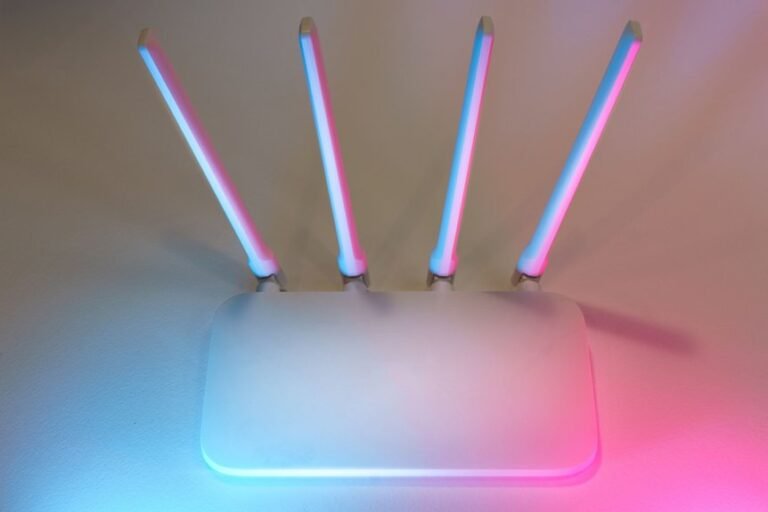
Accessing the router admin page begins by connecting a device to the router’s network, either via Wi‑Fi or a wired Ethernet connection. The interface is reached with a browser at the default IP address or hostname, then login credentials or a setup checklist are entered. A feature comparison clarifies options, while security safeguards and firmware updates remain integral for freedom and reliability.
Typical Default Logins and Where to Find Them
Typically, the default login credentials for routers are published by the manufacturer and appear in the device’s label, user manual, or the support site; common pairs include the username “admin” with a blank password or “admin” for both fields, though variations exist.
Default credentials are widely documented, and awareness mitigates security pitfalls while guiding users toward safe, intentional configuration choices.
Essential Security Tweaks for New Setups
To begin a new setup, it is essential to apply core security tweaks that prevent common vulnerabilities from the outset. Implement regular security audits to identify misconfigurations, enable guest networks separate from main traffic, and restrict admin access to trusted devices only. Document changes, monitor logs, and disable unnecessary services to reduce exposure while preserving freedom to customize.
Common Fixes: Passwords, Firmware, and Connectivity
Common fixes for routers center on strengthening credentials, ensuring up-to-date firmware, and verifying reliable connectivity. The guidance emphasizes two word discussion ideas: firmware updates, password resets. Maintain a detached third-person tone, presenting actionable steps: schedule firmware updates, enforce strong passwords, enable automatic renewal where possible, and test connections after changes. Verify backup configurations, document changes, and ensure uninterrupted access during maintenance for sustained security and reliability.
Frequently Asked Questions
Can I Change My Router’s Default IP Address?
Changing IP addresses is possible, but requires router admin access and careful steps. Affects devices and networks; ensure DHCP vs manual IP planning. Changing IPs can improve security or access; document changes and reboot devices for consistency.
How Do I Back up Router Settings Safely?
A user should back up router settings by exporting a configuration file to a secure, encrypted location, ensuring backup encryption and verifying firmware integrity before restore. This preserves freedom while preventing tampering or data loss.
What Parental Controls Are Built Into Most Routers?
Parental controls vary by model but typically include content filtering, time limits, and site blocking; they integrate with router security and can be adjusted via admin dashboards. Regular firmware updates ensure continued parental controls effectiveness and protection.
Is There a Guest Network and How to Enable It?
A guest network exists on many routers; enabling feature typically found in wireless settings. Follow steps to enable, then apply firmware updates after setup to mitigate security risks and preserve network isolation while preserving user freedom.
How Do I Reset a Forgotten Admin Password Securely?
Approximately 60% of breaches involve weak passwords; the article notes that. To reset a forgotten admin password securely: use reset procedures, verify identity, and perform secure authentication before creating a strong, unique credential.
Conclusion
In summary, securing a router begins with accessing the admin page, confirming the device’s default credentials, and applying essential security tweaks. After updating firmware, disabling unused services, and enabling a guest network, administrators should restrict admin access and document all changes for repeatability. A notable stat: about 40% of home routers still run with default usernames or passwords, underscoring the importance of immediate credential changes and regular firmware updates to prevent breaches.