ip192.168.254.254 Router Login Guide and Configuration Tips

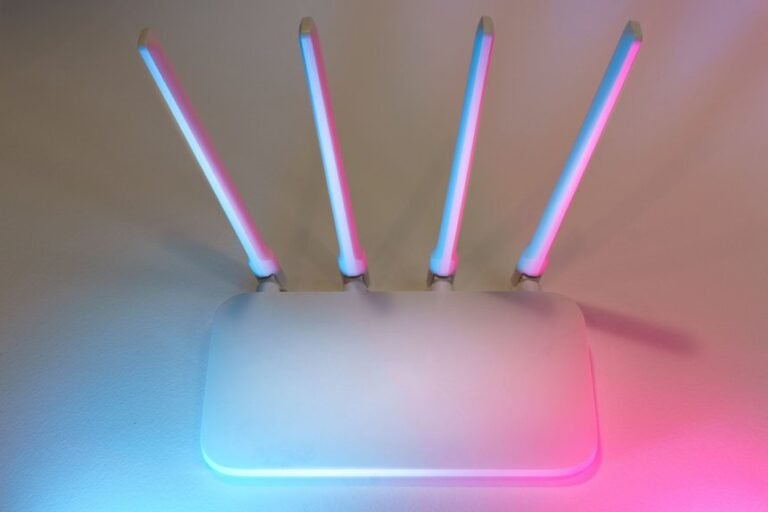
Access to the ip192.168.254.254 router admin page is initiated via a standard browser URL. The guide focuses on repeatable, credential-protected access, addressing common sign-in failures and session timeouts. Once authenticated, it outlines steps for quick Wi‑Fi setup, including a strong SSID and passphrase, plus options for guest isolation and QoS. The procedure also covers parental controls and documentation practices to ensure changes are consistent across administrations, leaving a clear path for further refinement and troubleshooting.
How to Reach the ip192.168.254.254 Admin Page
Access to the router’s admin page is via entering the local IP address into a web browser. The administrator navigates to http://ip192.168.254.254, then loads the router admin interface. This step requires no credentials at this stage.
Efficient ip configuration procedures follow, with clear, verifiable fields. Precision-oriented users exercise control, documenting settings and ensuring stable router admin access and repeatable configuration.
Secure Sign-In: Credentials, Common Issues, and Fixes
Secure Sign-In is the critical gate to router configuration, requiring valid credentials to access administrative functions. The process emphasizes secure access, unique passwords, and disciplined password management. Common issues include incorrect login attempts, expired credentials, and browser conflicts. Fixes involve password reset, firmware troubleshooting, and confirming router placement to avoid signal interference while preserving streamlined, autonomous control over configuration parameters.
Quick Wi‑Fi Setup: SSID, Password, and Security Tips
Setting up Wi‑Fi begins with selecting an appropriate Service Set Identifier (SSID) and a strong passphrase, then applying standard security measures to protect the network from unauthorized access. The process emphasizes quick firewall configuration and device prioritization, ensuring stable throughput.
Implementation proceeds with documented steps, monitoring for conflicts, and validating connectivity, while maintaining accessibility and freedom to customize access policies without compromising core protection.
Fine-Tuning Network Essentials: Parental Controls, Guest Network, and QoS
Fine-Tuning Network Essentials focuses on implementing layered controls that balance usability with security.
The section details configuring parental controls to manage access windows and content categories, enabling a safer environment without hindering productivity.
It also covers guest network isolation and QoS prioritization, ensuring network security remains intact while preserving freedom for legitimate users seeking reliable, fast, and flexible connectivity.
Frequently Asked Questions
Can I Reset Router to Factory Defaults Without Losing Data?
Yes, a factory reset will erase settings, but data preservation depends on stored files; perform a backup before proceeding. Factory reset resets configuration, not necessarily stored data on connected drives—verify device specifics and implement data preservation precautions.
How to Update Router Firmware Safely?
The question: to update firmware safely, perform upgrading firmware in a staged process: verify authenticity, back up configuration, use official releases, test after boot, monitor logs, and maintain updating security practices while preserving operational freedom.
Is Remote Management Enabled by Default?
Unplugged from certainty, the answer is: remote management is not enabled by default on most devices; it requires manual activation. It enables remote access for firmware updates, but should be secured, audited, and disabled when not in use.
How to Backup and Restore Configuration Settings?
To back up configuration and restore settings, one should use the device’s interface to export and import files; ensure firmware safety, disable unnecessary remote management, and utilize antennas USB storage for storage and recovery processes.
What Antennas or Ports Support USB Storage?
Two word ideas1 and two word ideas2 appear on the device’s rear, where USB storage is supported by dedicated USB ports and certain antenna-equipped models. The answer details compatibility, power requirements, and file-system limits, with methodical, precise guidance.
Conclusion
In a disciplined, methodical cadence, the ip192.168.254.254 setup completes with careful stewardship rather than dramatic change. The process quietly reinforces boundaries, opening pathways only to trusted devices and users. With credentials secured and configurations documented, the network habitually maintains calm, predictable behavior. Subtle adjustments, like pinching off stray access or tightening QoS levers, become routine rituals. Ultimately, a steadier digital habitat emerges, where privacy and performance coexist in a quietly assured equilibrium.