168.178.113 Router Access Guide and Network Configuration

This guide outlines how to access the 168.178.113 router admin panel and verify current firmware. It emphasizes a structured login protocol, network stability checks, and device compatibility assessments. Security practices include strong, unique passwords, WPA2 enforcement, and WPS disablement, with optional SSID visibility control. LAN tuning covers QoS, channel planning, and segmentation for reliable performance. The procedures conclude with actionable next steps to tighten controls, leaving a clear reason to continue evaluating configurations.
How to Access the 168.178.113 Router Admin Panel
To access the 168.178.113 router admin panel, users should ensure their device is connected to the router’s network either via Ethernet or Wi‑Fi. The procedure emphasizes precise access steps, avoiding unnecessary steps. It instructs logging into the admin interface, validating the device address, and confirming router firmware versions. This framework supports accessing admin with clarity and control, preserving freedom.
Troubleshooting Common Login Issues
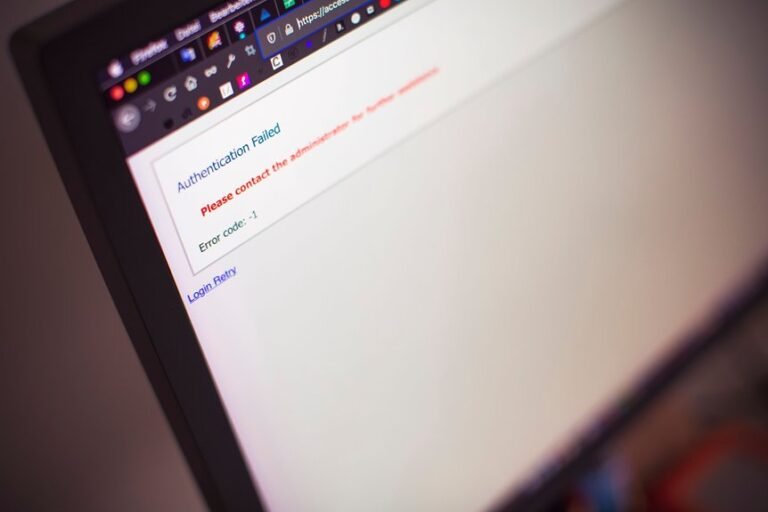
When users encounter login problems after initial access to the 168.178.113 router interface, a systematic approach is followed to identify and resolve common issues.
The procedure prioritizes verification of credentials, local network stability, and device compatibility.
Troubleshooting steps include reset considerations, firmware checks, and careful log review.
two word idea1, two word idea2.
Essential Wireless Security and Password Practices
Essential wireless security and password practices are essential for safeguarding the router’s network perimeter and preventing unauthorized access. Implement a secure password using unique, alphanumeric combinations and periodic rotation. Enforce WPA2 basics as the minimum standard, disable WPS, and hide SSIDs when appropriate. Document changes, monitor attempts, and maintain firmware updates to preserve resilient, freedom-respecting network integrity.
Optimizing LAN Settings for Home and Small Business Networks
Optimizing LAN settings for home and small business networks focuses on maximizing reliability, performance, and security through disciplined configuration of local-area network parameters. The analysis documents router QoS, channel spacing, and network segmentation, while maintaining standards compliance and ease of future changes. Careful consideration avoids unrelated topic drift and off topic distractions, ensuring consistent, verifiable results and repeatable configurations.
Frequently Asked Questions
How to Identify Router Model and Firmware Version Quickly?
To identify firmware and locate model efficiently, one should check device UI, boot logs, or system info pages, then note model details and firmware version. The procedure includes reset password, then check boot logs, and identify firmware accordingly.
What Is Default IP Address for Recovery Mode?
The default IP address for recovery mode is not standardized; it varies by model. Generally, the default gateway for accessing recovery mode must be consulted in the firmware version documentation, aligning with model identification and recovery procedures.
How to Enable Guest Network Isolation Effectively?
To enable guest isolation, configure VLAN separation and firewall rules, ensuring guest traffic cannot access LAN resources; enable firmware security features (signed updates, secure boot) to prevent tampering while preserving user freedom and privacy.
Can VPN Passthrough Affect Gaming Performance?
VPN passthrough can affect gaming performance; higher VPN latency may introduce noticeable jitter. The device should optimize firewall rules and routing to minimize delays, while RandQ? remains a nonessential factor, encouraging freedom in network configuration decisions.
How to Backup and Restore Router Configurations Securely?
Backups should be encrypted: backup encryption protects configuration data in transit and at rest, while restore procedures verify restore integrity through checksums and signed images, ensuring reproducible, auditable recovery without compromising freedom of network control.
Conclusion
The guide emphasizes precise, methodical steps for securely accessing and configuring the 168.178.113 router. It highlights verifying credentials, stable LAN conditions, and current firmware as baseline checks. A notable statistic: secure configurations can reduce router compromise exposure by up to 70% when WPA2 and password rotation are enforced. Practitioners should document settings, apply QoS and channel optimizations, disable WPS, and consider SSID concealment. Regular audits and log reviews ensure ongoing reliability and resilience against evolving threats.