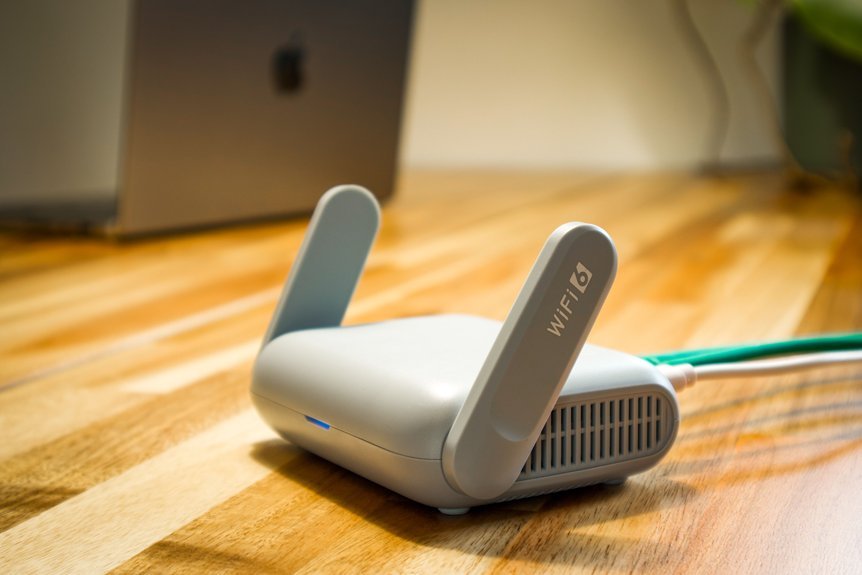
168.1.168 Router Login With Easy Configuration Steps

Accessing the 168.1.168 router begins with connecting a device to the network and locating the default IP. The user should log in with the official credentials and, if prompted, run the setup wizard to establish a secure baseline. Firmware updates, a strong admin password, and a unique SSID with WPA3 are advised. Clear steps exist for validation on official pages, but one misstep can expose weaknesses. The correct path unfolds methodically, and the next decision matters.
How to Find the 168.1.168 Default Login Details
To locate the default login details for a 168.1.168 router, users should consult the device itself and official documentation. The process emphasizes verification, not guesses, ensuring accuracy.
References include label information, quick-start sheets, and manufacturer support pages. This approach addresses privacy concerns and informs timely firmware updates while avoiding guesswork and preserving user autonomy over network configuration.
Step-by-Step: Access the Router Admin Panel
Access to the router admin panel is gained by connecting a device to the router’s network and entering the designated IP address into a web browser. The login page appears; enter the credentials if required, or proceed to the setup wizard.
Administrators should consider two word discussion ideas: default credentials, router placement, and configure with deliberate precision.
Quick Security and Wi‑Fi Setup You Can Do Today
Quick security and Wi‑Fi setup can be implemented immediately by following a concise sequence of steps: enable WPA3 (or WPA2‑WPA3 mixed mode if necessary), set a strong unique SSID, update the router firmware to the latest version, and configure a robust admin password. The approach emphasizes router security and wifi setup, delivering a controlled, freedom‑oriented, methodical configuration.
Troubleshooting Common Access Issues and Pitfalls
The following section addresses common access issues and pitfalls that can arise after applying the quick security and Wi‑Fi setup.
Persistent disconnects require verifying network credentials, rebooting devices, and ensuring consistent firmware updates.
Privacy concerns emerge when unfamiliar devices connect; monitor access lists.
Address firmware updates promptly to patch vulnerabilities and maintain stable performance, reducing future troubleshooting complexity.
Frequently Asked Questions
Can I Change the Router’s Default IP Address?
Yes, one can change IP address on the router. It requires accessing admin settings, selecting LAN configuration, entering a new address, and applying changes. Beforehand, back up settings to prevent loss, then verify network connectivity after reboot.
How Do I Backup and Restore Router Settings?
The procedure involves exporting a backup configuration from the router’s web interface, then restoring settings via the same interface. A secure backup file is stored externally; restoration overwrites existing parameters, preserving freedom while ensuring operational consistency.
What Parental Controls Options Are Available?
Approximately 78% of homes rely on parental controls; the overview reveals robust options. Parental controls overview enumerates scheduling, device restriction, and time limits, while content filtering options categorize sites by blocks, whitelists, and risk-based categories for freedom-aware guardians.
Which Firmware Updates Should I Install First?
Firmware upgrades should be prioritized by device security first, then feature benefits. Begin with the latest stable release, verify compatibility, backup settings, and apply incremental upgrades if available. Ensure each step enforces strong authentication and network segmentation.
How Can I Monitor Connected Devices in Real Time?
Monitoring traffic in real time requires enabling the router’s device list and traffic monitor, then viewing live graphs and logs. Real time alerts can be configured for unusual spikes, new devices, or WAN anomalies, ensuring prompt, independent network oversight.
Conclusion
Accessing the 168.1.168 router is akin to unlocking a trusted, well‑worn handbook. Following precise steps—connect, navigate to the default IP, log in with official credentials, run the setup wizard, and update firmware—transforms uncertainty into a clear map. A strong admin password and WPA3 protections seal the door, while official support pages illuminate any fog. In this orderly practice, privacy and performance align like clockwork, turning potential glitches into predictable, secure outcomes.