168.100.8 Router Login Guide, Admin Access and Setup Tips

The 168.100.8 router login guide outlines a precise sequence for admin access and ongoing setup. It identifies the device’s management IP, credentials, and secure access paths, then details foundational hardening steps such as WPA2/WPA3, unique SSIDs, and a separate guest network. It also covers password policies, potential two-factor options, and firmware management with rollback. Performance maintenance and audit considerations follow, emphasizing repeatable recovery and controlled maintenance windows; the next steps reveal concrete actions and verification checks.
What Is 168.100.8 Router : Quick Context and Login Role
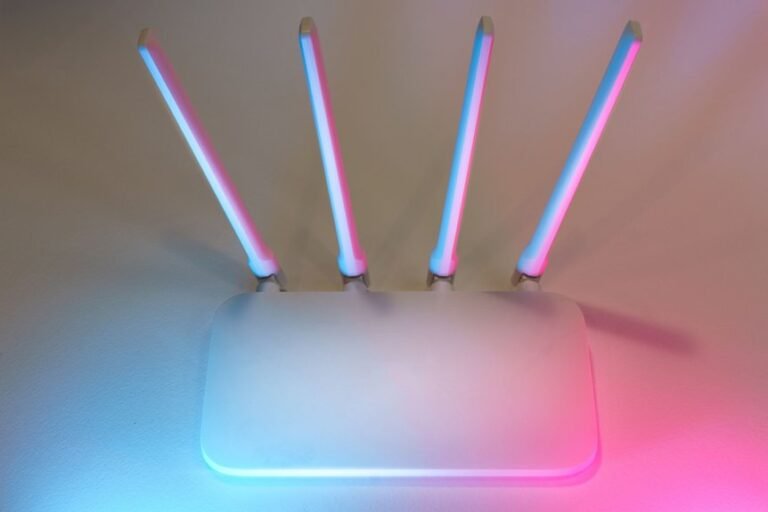
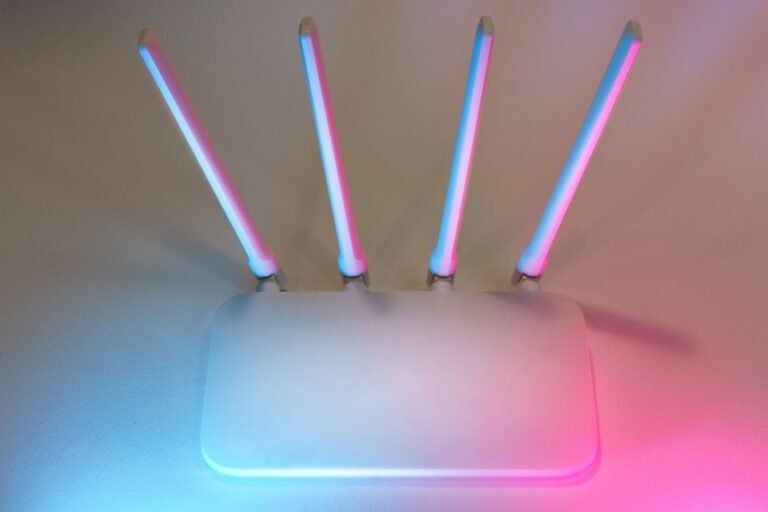
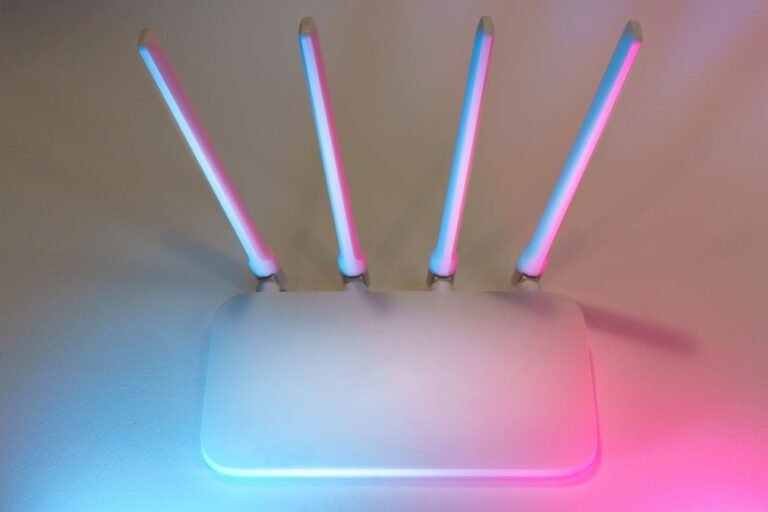
168.100.8 is a private network router IP used as a default gateway in local area networks. The 168.100.8 background frames its role in route distribution and address management. It outlines router roles, including forwarding decisions and interface status. Admin login access procedures ensure safe access, while configuration steps emphasize security, reliability, and controlled user permissions without unnecessary exposure.
Find the Admin Login: Locating IP, Credentials, and Safe Access
Locating the administrator login begins with identifying the device’s management IP and verifying access paths. The procedure catalogs default or updated credentials stored securely, then tests admin access across trusted interfaces. Verify firmware updates availability before attempting changes, ensuring rollback options exist. This approach preserves freedom to manage devices while maintaining controlled, auditable admin access and reliable firmware updates.
Secure Setup Steps: Wi-Fi, Passwords, and Basic Hardening
Secure configuration begins with establishing a robust wireless and administrative foundation. The procedure specifies strong encryption, unique SSIDs, and separate guest networks. Password policies enforce length and rotation; two-factor options are recommended where available. Security auditing reviews device logs and access events. Firmware updates, applied promptly, address vulnerabilities. Networking best practices include segmented LAN, disable WPS, and regular configuration backups.
Performance Tuning and Maintenance Tips for Steady Reliability
Performance tuning for the 168.100.8 router focuses on maintaining consistent throughput and minimizing downtime through structured monitoring, disciplined configuration, and proactive maintenance.
Systematically log performance metrics, validate QoS policies, and apply changes during maintenance windows. Emphasize network reliability, schedule firmware updates, and harden security posture without disruption, ensuring predictable performance, rapid fault isolation, and repeatable recovery procedures.
Frequently Asked Questions
Can 168.100.8 Conflict With Other Local IPS?
Yes, conflicts can occur; 168.100.8 may collide with local IPs if overlapping subnets exist. To prevent, enforce conflict avoidance and monitor for subnet collisions, adjust DHCP scope and gateway addresses, and verify router LAN settings independently.
What to Do if the Login Page Times Out?
If the login page times out, the procedure requires immediate network checks and reboot steps: apply detailed timeout remedies, verify connectivity, and attempt alternative login methods before retrying with updated firmware or router reset guidelines.
How to Reset the Router to Factory Defaults?
A single anecdote: a stubborn device yields after a power lull, just as a router. The reset procedure requires locating the reset button, holding it, then applying power; factory reset steps complete, password reset succeeds, hard reset confirmed, yes.
Are There Regional Firmware Update Limitations?
Regional firmware update limitations exist depending on model and region; users should verify compatibility before applying updates. Potential issues include local IP conflicts, login page timeouts, factory reset requirements, parental controls, and documented update procedures.
Is Parental Control Support Available on This Model?
Parental control support depends on the model; if present, enable in the router’s UI. Parental control basics are described, with firmware update considerations ensuring features remain compatible and performantly active during updates and policy changes.
Conclusion
In summary, the 168.100.8 router login guide partitions discovery, access, and hardening into repeatable steps, ensuring auditable admin control. By locating the management IP, verifying credentials, and applying disciplined WPA2/WPA3 measures, administrators establish a secure baseline. Regular firmware checks, logs, and maintenance windows complete the cycle. Metaphor: securing the gateway is like tethering a lifeboat to a steady harbor—a disciplined anchor that enables safe, predictable voyages through changing networks.