168.0.19 Router Admin Login and Setup Tutorial

The guide on 168.0.19 router admin login and setup outlines a precise, methodical sequence for secure access and configuration. It covers locating the gateway, logging into the admin portal, and confirming connection integrity, then proceeding to change the SSID and passphrase, update firmware, and enforce basic security measures. Each step is designed to be reproducible and verifiable, with cautions about credential handling and firmware sourcing. The next steps reveal how these safeguards endure under evolving network conditions.
How to Access the 168.0.19 Router Admin Page
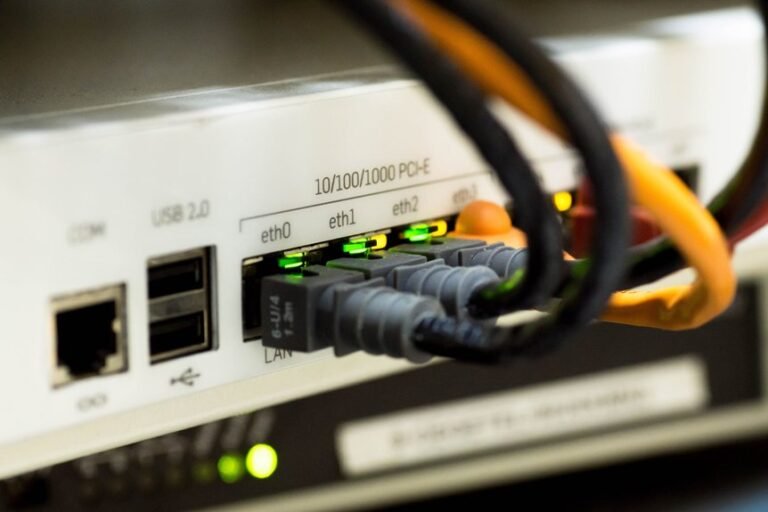
To access the 168.0.19 router admin page, a user should connect a device to the router via Ethernet or a stable Wi‑Fi network and determine the router’s gateway address.
The procedure emphasizes reproducible steps, verification of connection status, and access to the admin portal.
In this context, unrelated topic, off topic ideas about 168.0.19 are acknowledged but not elaborated.
Change Wi‑Fi Name and Password on 168.0.19
After establishing access to the 168.0.19 router admin page, the user proceeds to modify the wireless network credentials. The procedure delegates changes to the SSID and passphrase, documenting exact field entries, security mode, and confirmation steps.
This idea one drives secure customization, while discussion topic two emphasizes reproducible settings and immediate network clarity for freedom-minded administrators.
Update Firmware and Basic Security Settings
Firmware updates are essential for stability and security, and the same applies to basic security settings. The procedure involves verifying firmware version, selecting autoupdate if available, and applying the latest build.
Afterward, enable strong encryption, disable unnecessary services, and configure firewall rules. Consider potential security risks and monitor cloud integration for compromised credentials and unauthorized access. Regular audits ensure resilient operation.
Troubleshooting Common 168.0.19 Login and Setup Issues
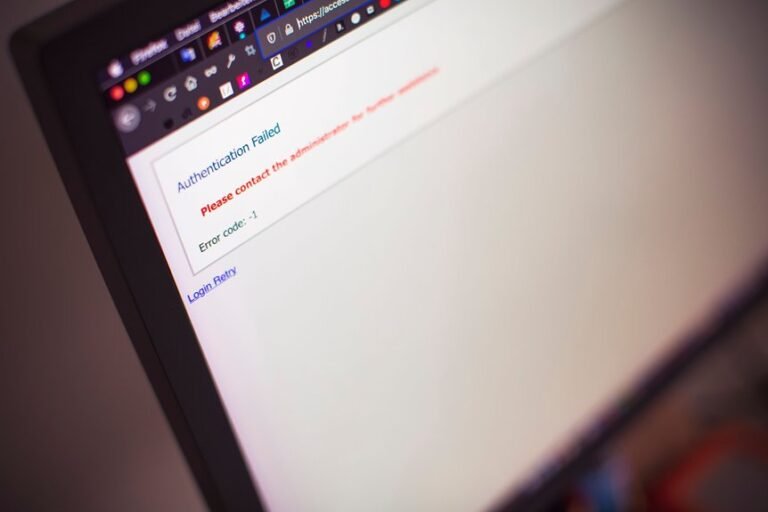
Common issues during 168.0.19 login and setup are typically rooted in network connectivity, credential mismatches, or misconfigured device settings.
The analysis proceeds with a disciplined approach: verify LAN/WAN paths, ensure correct admin credentials, and confirm router mode and IP ranges.
lore slams, theory riffs emerge as troubleshooting patterns, guiding structured steps, diagnostics, and repeatable checks without extraneous narration.
Frequently Asked Questions
Can I Access the Admin Page Without a Connected Network?
Access is generally unavailable without network connectivity; the admin page requires a connected path. In unclear connectivity scenarios, offline access is not supported, as configuration tools presume an online session with the device for secure management.
Does 168.0.19 Support Guest Network Isolation?
Yes, 168.0.19 supports guest network with network isolation features. The system delineates guest traffic from main LAN, maintaining separation while enabling limited access. In purpose-driven terms, guest network isolation preserves autonomy and secure, controlled connectivity.
How Do I Backup and Restore Router Settings?
Backup settings are created via the router’s administration page, then saved to a local file. To restore configuration, select the backup file, confirm, and apply. This methodical process preserves preferences while maintaining user autonomy and control.
Can I Use a VPN Over the Router’s Connection?
Forty percent of users report VPN usage over home routers; the answer is yes, a VPN can operate over the router’s connection. It also enables guest isolation while maintaining centralized control and transparent, security-conscious freedom.
What Parental Control Options Are Available on 168.0.19?
Parental controls on 168.0.19 include network filters, content restrictions, and schedule-based access. The system supports firmware updates, device prioritization, and audit logs, enabling precise, methodical configuration while preserving user liberty and uninterrupted network performance.
Conclusion
In summary, the 168.0.19 setup path offers a well‑trodden corridor to stable connectivity. With careful login, one neatly redefines the wireless signature while preserving core access, avoiding missteps through disciplined firmware updates and vigilant firewall practices. Subtle safeguards—quietly updated credentials, selective service minimization, and cloud monitoring—function as unseen scaffolding, guiding the network toward calm reliability. When issues surface, a methodical, euphemistic pause helps restore balance without disturbing the underlying framework.